Review: Bundle Flower Mother Papercut Light Box Design
As a designer who spends more time at the hoop than away from it, I approach every new machine embroidery design with a critical eye. It is not just about whether the image looks pretty on a screen; it is about how that image translates into thread, how it sits on fabric, and whether it will hold up to the scrutiny of a paying customer. Recently, I took a close look at the Bundle Flower Mother Papercut Light Box. While the product listing categorizes this under Shadow Boxes and describes it as a 3D SVG intended for cutting machines, my interest lies in its potential adaptation for high-end textile applications. Can a design built for layered paper translate into a stunning embroidery project? Let's dig into the practical realities.
First Impressions: Mood and Aesthetic Potential
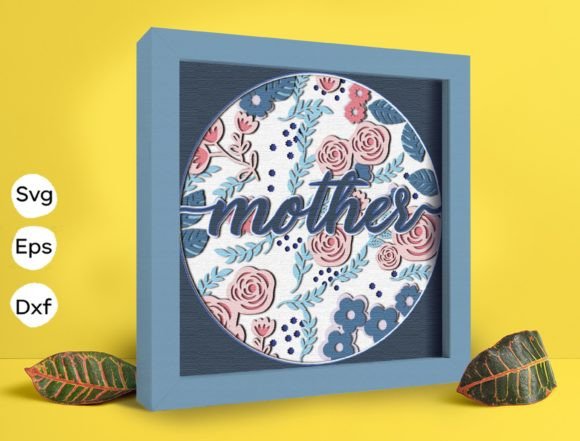
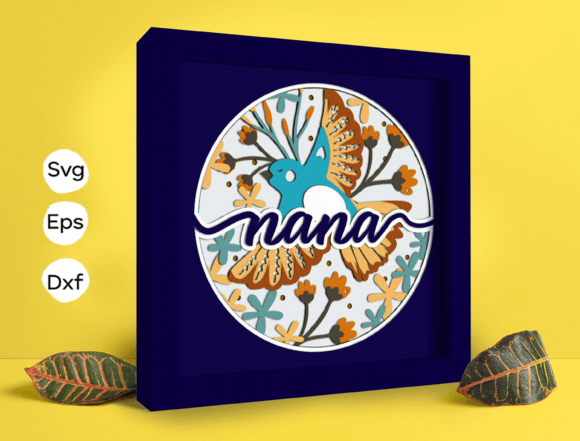
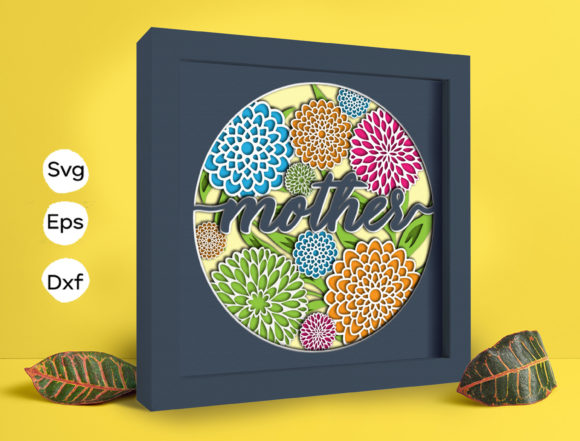
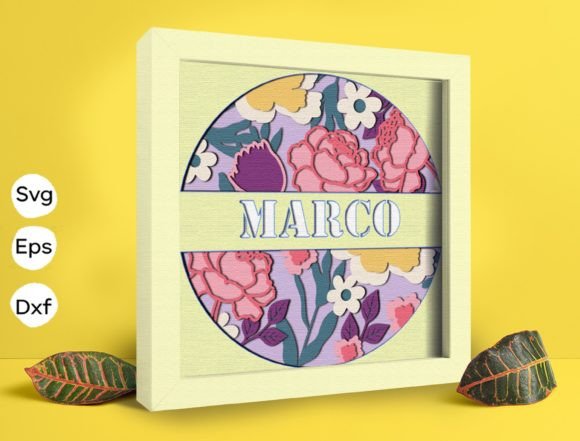
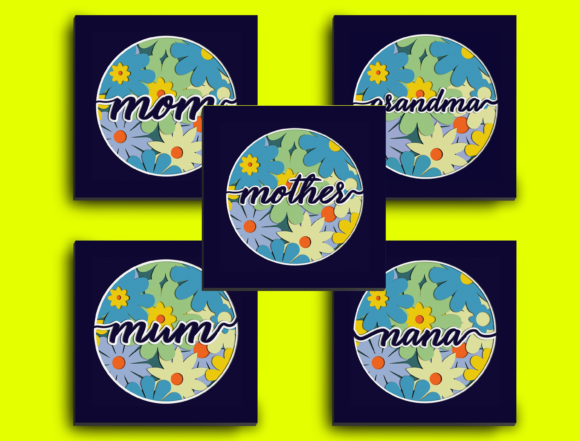
The first thing that strikes me about the Bundle Flower Mother Papercut Light Box is its inherent delicacy. The "papercut" style suggests clean lines, distinct layers, and a play between positive and negative space. In the world of embroidery, this aesthetic is incredibly popular right now, often mimicking the look of intricate lace or modern vector art. The theme of "Mother" combined with floral elements creates an immediate emotional connection, making it a prime candidate for personalized gift markets.
Visually, the layout feels balanced. For an embroidery adapter, this means the design likely has clear separation between elements, which is crucial for managing stitch density. If we were to digitize this or use a pre-digitized version of this concept, the goal would be to maintain that airy, layered feel without letting the fabric show through too much in a way that looks like a mistake rather than a style choice. The mood is soft, nurturing, and boutique-ready, fitting perfectly into the current trend of minimalist yet meaningful handmade product offerings.
Real-World Application: From Screen to Stitch
To truly evaluate this design, I imagined a specific real-life scenario: a custom order for a local boutique expecting a run of premium tote bag design options for Mother's Day. The client wants something that looks expensive but doesn't take four hours to stitch out. Here is where the Bundle Flower Mother Papercut Light Box concept shines.
If adapted correctly, this design would work beautifully as an applique design. By using the SVG layers as a guide, one could cut fabric shapes for the flowers and the text, then use a tight satin stitch or a narrow running stitch to secure them. This approach mimics the physical layering of a papercut light box but adds the texture of thread. Alternatively, for a flatter look on a sweatshirt embroidery project, a combination of fill stitch for the larger floral areas and satin columns for the outlines could create a sophisticated, textured finish.
For Etsy seller accounts focusing on nursery decor, this design could be scaled down for baby embroidery on onesies or burp cloths. The soft floral theme is timeless. However, the complexity of the "light box" style implies fine details. In a real production environment, I would need to ensure that the thread colors chosen provide enough contrast against the base fabric. A monochromatic look might be chic, but it risks losing the definition of the layers if the fabric texture is too busy.
Navigating Technical Challenges and Fabric Choices
Every design has its Achilles' heel, and for a style like the Bundle Flower Mother Papercut Light Box, the challenges lie in the details. Because the original concept relies on precise cuts to create depth, translating this to embroidery requires careful attention to hoop size and stabilization.
- Fabric Selection: This design demands stability. Attempting this on a stretchy jersey knit without a robust stabilizer system could result in puckering, especially around the fine lines of the flowers. I would recommend medium-weight woven cotton or a stable fleece for custom apparel.
- Small Details: If the design includes tiny lettering or very thin petals, these are risky on textured fabrics like towels or caps. On a curved surface like a cap, the needle deflection could distort the delicate "papercut" lines. I would advise testing this on a flat surface first before committing to structured garments.
- Density Management: A common pitfall in adapting vector-style art is over-digitizing. If the stitch density is too high, the design becomes stiff and board-like, losing the organic feel of a flower. It is essential to check if the embroidery file allows for adjustable pull compensation.
- Dark Fabrics: The light box concept often implies illumination. On dark fabrics, you must ensure the design has enough coverage or uses lighter thread tones effectively to pop, otherwise, the nuance of the layers will vanish.
Commercial Viability and Brand Perception
From a business perspective, the Bundle Flower Mother Papercut Light Box offers strong potential for brand elevation. Using a design with this level of perceived intricacy signals to the buyer that the finished product is of high quality. It moves beyond generic clipart into the realm of custom art. For small shop product lines, consistency is key. If this design fits your brand's aesthetic—perhaps boho, modern farmhouse, or elegant minimalism—it can become a signature element across various items, from pillow covers to aprons.
However, customer trust hinges on execution. If the stitching is messy or the layers do not align, the "papercut" illusion breaks, and the item looks defective. Therefore, the value of this design is directly tied to the skill of the operator and the quality of the digitization. For commercial embroidery projects where speed and repeatability are vital, one must verify that the design runs cleanly without excessive trims or jumps that slow down production.
Practical Notes for the Professional Embroiderer
Before you commit to selling items made with this design or offering it as a digital embroidery file yourself, there are several non-negotiable steps to take. First, always test the design on scrap fabric that matches your final product. Check how the satin stitch edges lay and whether the fill stitch areas gap.
Secondly, review the licensing terms carefully. The product description mentions files for Cricut, Silhouette, and Adobe Illustrator. It does not explicitly state the license for machine embroidery usage or resale of finished goods. You must confirm whether the creator allows commercial use of the stitched output. Never assume an SVG license covers embroidery sales.
Finally, consider your presentation. When creating printable mockup images for your online store, ensure the lighting highlights the texture of the stitches. A design like the Bundle Flower Mother Papercut Light Box relies on shadow and depth; your photos should reflect that. Compare how the design looks in black and white mockups versus color to ensure it holds its shape regardless of the thread palette used.
In conclusion, while the Bundle Flower Mother Papercut Light Box originates as a cutting file concept, its visual language translates powerfully into the world of embroidery. With the right adjustments to stitch density, careful fabric selection, and a keen eye for detail, it can be the centerpiece of a profitable and beautiful craft business collection. Just remember: the magic is not just in the download, but in how you bring it to life with thread.