Reviewing the Graduation Layered Papercut SVG for Embroidery
As a designer who spends most of my days digitizing files and reviewing embroidery projects for small business owners, I approach every new digital embroidery file with a critical eye. It is not enough for a design to look pretty on a screen; it must survive the needle, the thread tension, and the wash cycle. Recently, I evaluated the Graduation Layered Papercut Svg Eps Ai to see if it holds up as a viable asset for custom apparel and handmade goods. While this listing is technically categorized under Shadow Boxes and marketed as a 3D SVG for paper crafting, my goal was to determine its potential when translated into a machine embroidery design.
First Impressions and Visual Personality
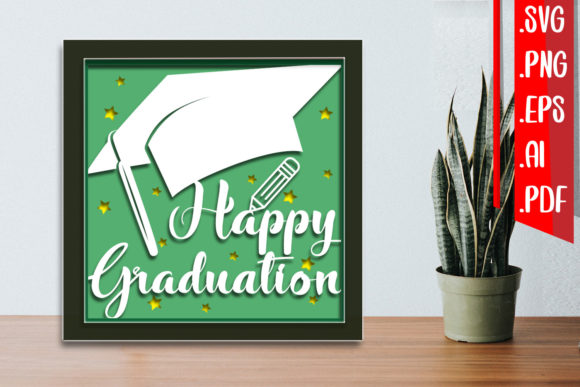
Upon opening the zip file, which contains SVG, EPS, AI, PNG, and PDF layers, the first thing that strikes me is the clean, architectural quality of the lines. The "papercut" aesthetic relies heavily on distinct separation between layers to create depth without shading. In the world of embroidery, this translates beautifully to an applique design or a multi-color fill stitch composition. The mood is celebratory yet sophisticated, avoiding the overly cartoonish tropes often found in graduation graphics. The layout suggests a strong central focus, likely a cap or diploma motif surrounded by decorative elements that mimic cut paper.
For an Etsy seller or craft business owner, visual personality is everything. This design offers a modern, boutique feel that fits well with current trends in nursery decor and milestone gifts. However, because it originates as a vector for cutting machines, the level of detail needs careful scrutiny before hooping it up on an embroidery machine. The sharp corners and overlapping shapes that work perfectly with a blade might pose challenges for a needle if the spacing is too tight.
Real-World Application: The Custom Sweatshirt Scenario
To truly test the viability of the Graduation Layered Papercut Svg Eps Ai, I imagined a specific client request: a custom sweatshirt embroidery project for a high school senior. The client wanted something elegant, not childish, to wear during their celebration weekend. Using the layered structure of the file, I visualized breaking the design down into three distinct color zones. The base layer would be a solid fill stitch in a neutral tone, the middle layer a contrasting satin stitch border, and the top layer featuring the intricate details.
In this scenario, the design shines as a personalized gift. The clean lines allow for excellent readability from a distance, which is crucial for event photography. If executed with high-quality rayon or polyester threads, the slight sheen can mimic the texture of premium cardstock, bridging the gap between the original papercut intent and the finished textile product. For a small shop product, this versatility means you could offer it on hoodies, tote bag designs, or even canvas wall hangings without the design feeling out of place.
Navigating Fabric and Hoop Constraints
While the potential is high, there are specific areas where caution is required. The nature of a 3D SVG style implies depth, which in embroidery often means high stitch density. If you attempt to stitch this on a thin fabric like a standard t-shirt or a stretchy baby onesie without proper preparation, you risk puckering. The dense areas where layers overlap in the vector file could become a nightmare of thread buildup if not manually adjusted in your digitizing software.
I strongly advise testing this design on scrap fabric first, specifically matching the weight of your final handmade product. For textured fabrics like French terry or waffle knit, the fine details of the papercut style might get lost or cause the needle to skip. Similarly, curved surfaces like caps require a different approach; the rigid geometry of the design might distort on the front panel of a hat unless the stabilizer choice is robust. A heavy-duty cut-away stabilizer would be non-negotiable here to maintain the crisp edges of the "cut" look.
Commercial Viability and Brand Consistency
For commercial embroidery professionals, consistency is key to building customer trust. The Graduation Layered Papercut Svg Eps Ai offers a level of professionalism that can elevate a brand's perception. When a customer receives a finished product with clean, deliberate stitching and no loose jumps between layers, it signals quality. This design, when properly managed, contributes to that perception. It works exceptionally well for holiday embroidery seasons or graduation peaks where volume is high, provided the stitch count is optimized for speed without sacrificing clarity.
However, one must consider the licensing carefully. Since the product description mentions it is a digital download for a paper cut design, using it for commercial embroidery items requires verifying the license terms. Does the creator allow for physical goods sales? What about digital reselling? Always confirm these details before listing items in your Etsy shop or using them for client work. Assuming commercial rights without verification can lead to serious issues for your craft business.
Technical Recommendations for Stitching Success
To get the best results from this file, treat it as a starting point rather than a finished embroidery file. Here are my practical notes for adapting it:
- Check Stitch Density: Vector layers often stack directly on top of each other. In embroidery, you need to offset these slightly or reduce fill density to prevent thread nesting.
- Thread Color Contrast: The papercut effect relies on shadow and depth. Use thread colors that have enough contrast to define the layers, or use varying shades of the same hue for a subtle, tonal look.
- Hoop Size Verification: Ensure the design fits your available hoop sizes. Complex layered designs sometimes require larger hoops to accommodate the framing without distorting the fabric.
- Small Details: Inspect tiny lettering or minute corners. These may need to be simplified or converted to a running stitch outline if they are too small for a standard fill.
- Mockup Testing: Before committing to fabric, run black and white mockups to check for clarity. If the layers blend together in grayscale, they will likely lose definition when stitched.
Ultimately, the Graduation Layered Papercut Svg Eps Ai is a versatile asset that bridges the gap between digital crafting and textile art. While it is born as a tool for Shadow Boxes, its clean geometry makes it a strong contender for custom apparel, embroidered patches, and home decor. With the right adjustments to stitch density and a thoughtful approach to fabric selection, it can become a staple in your library of design assets. Just remember, the difference between a good design and a great embroidery project lies in the preparation and the respect for the medium's limitations.