Unicorn 7 Layer Design: A Designer's Review
When I first pulled up the Unicorn 7 Layer Design on my screen, my immediate reaction wasn't just about the cuteness factor; it was about structural integrity. As someone who spends hours hooping fabric and threading needles for clients, I know that a design looking good as a vector on a monitor is only half the battle. The real test is how those layers translate into thread, stabilizer, and fabric texture. This isn't just a digital asset; it is a blueprint for a physical handmade product that needs to withstand washing, wearing, and the critical eye of a paying customer.
The Visual Personality and Layout
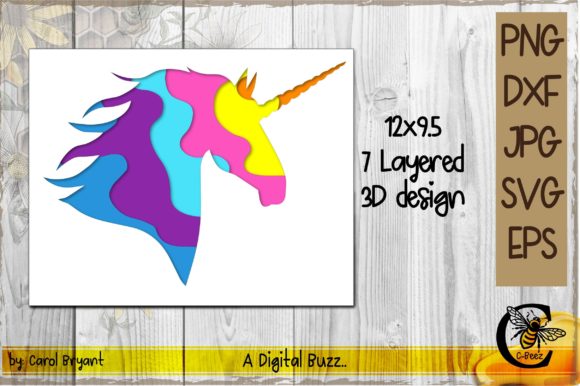
The mood this design creates is undeniably whimsical, yet the seven-layer structure suggests a depth that goes beyond standard flat embroidery. In the world of Shapes, unicorns can often feel generic, but the multi-layered approach here offers a chance to play with dimensionality. When you break down the file, you are looking at a composition that relies heavily on the interplay between foreground and background elements. For an embroidery project, this means we aren't just dumping satin stitches onto a tee; we are building a scene.
The visual personality is bright and inviting, making it a natural fit for nursery decor or boutique children's wear. However, from a technical standpoint, the layout demands respect. Seven layers imply seven potential color changes or distinct stitch zones. If you are rushing through a production run for an Etsy seller looking to stock up before the holidays, this density requires patience. The design doesn't scream "quick fill"; it whispers "careful execution." The way the layers stack suggests a need for precise registration, especially if you are aiming for that crisp, professional look that defines high-end custom apparel.
Real-World Application: The Tote Bag Scenario
To truly evaluate this 3D SVG concept in an embroidery context, I imagined a specific real-life scenario: a custom order for a local boutique needing a series of heavy-canvas tote bag designs for a spring market. The client wanted something that popped against a natural, unbleached cotton background.
Using the Unicorn 7 Layer Design here makes sense because the multiple layers allow for rich color variation without the design becoming a solid, heavy block of thread. By selecting contrasting thread colors for each layer, the unicorn gains a sense of movement. On a tote bag, which often carries weight and experiences friction, the separation of layers can actually help the design breathe, preventing the fabric from puckering as much as a single massive fill might. The finished product would likely appeal to buyers looking for unique personalized gifts that feel substantial and well-crafted.
However, if I were pivoting this same design to a sweatshirt embroidery project, the approach would shift. On fleece or French terry, the texture of the fabric interacts differently with the stitch types. A satin stitch border on a soft sweatshirt feels luxurious, but if the inner layers rely on dense fill stitches, the garment could become stiff. For a baby embroidery item, like a onesie or a burp cloth, I would be extremely cautious. Seven layers on a small, stretchy garment might be overkill, potentially causing discomfort against sensitive skin. In that case, simplifying the layer count or using lighter density settings would be mandatory.
Navigating Technical Challenges
Every designer knows that enthusiasm must be tempered with technical reality. There are specific situations where the Unicorn 7 Layer Design requires careful handling. First, consider the hoop size. While the design fits within standard bounds, the complexity of seven layers means you have less margin for error in placement. If you are working on a curved surface like a cap, aligning seven distinct layers perfectly is a nightmare waiting to happen. The distortion inherent in cap framing could misalign the layers, ruining the 3D effect and making the design look sloppy.
Furthermore, fabric texture plays a huge role. On dark fabrics, the contrast is key. Since the product description notes that screen colors are examples only, you have the freedom to adjust. But remember, a running stitch outline that looks fine on white fabric might disappear entirely on black denim unless you increase the stitch width or change the thread sheen. Similarly, on textured towels or waffle weaves, fine details in the inner layers might get lost. You need to ensure that the smallest elements of the design are large enough to survive the absorption of the fabric loops.
Dense stitch areas are another concern. If the seven layers overlap significantly in the center of the unicorn, you risk creating a "cardboard" effect where the fabric loses all drape. This is crucial for commercial embroidery projects where the hand-feel of the garment is part of the value proposition. Always check the stitch density in your digitizing software before committing to a full run. If the file provided is a cut file meant to be digitized for embroidery, your interpretation of those layers into stitch types (satin vs. fill) will determine the success of the finished product.
Enhancing Brand Value and Customer Trust
Why does any of this matter? Because the quality of your embroidery directly impacts your brand consistency and customer trust. A poorly executed multi-layer design looks messy and amateurish, whereas a well-planned one elevates the perceived value of the item. When a customer receives a pillow cover or an apron with crisp, well-defined layers, they recognize the effort. This recognition translates into repeat business and positive reviews for your small shop product line.
The Unicorn 7 Layer Design offers a fantastic opportunity to create printable mockups that look stunning in online listings. The depth of the design photographs well, catching light and shadow in a way that flat designs do not. This visual appeal drives buyer engagement on platforms like Etsy. However, the physical item must match the photo. If the threads are loose or the layers are misaligned, the disconnect between the digital preview and the physical reality will damage your reputation.
Practical Notes for the Studio
Before you commit this design to a client's order, here is my checklist for ensuring success:
- Test on Scrap Fabric: Never skip this. Stitch the design on the exact same material and weight you plan to use for the final product.
- Check Thread Contrast: Ensure adjacent layers have enough tonal difference so the 3D effect is visible, not muddy.
- Review Stitch Density: If the design feels too stiff after stitching, reduce the fill density in your software.
- Confirm Hoop Size: Make sure your frame allows for proper stabilization around the entire perimeter of the seven layers.
- Inspect Small Details: Zoom in on the corners and edges. Are there tiny gaps or overlapping stitches that need cleaning up?
- Mockup in Black and White: This helps you see the value contrast without being distracted by color choices.
- Stabilizer Selection: With seven layers, you likely need a cut-away stabilizer for garments that will be washed frequently, rather than tear-away.
- Licensing Check: Since this is a digital embroidery file or design asset, confirm the license terms. Can you sell the finished physical items? Can you sell the digitized file itself? The description mentions use for gifts and home decor, but always verify commercial rights before listing on a marketplace.
In conclusion, the Unicorn 7 Layer Design is a versatile and charming asset for the creative entrepreneur. It bridges the gap between simple shapes and complex artistry. Whether you are creating holiday embroidery for a family gift or building a catalog of design assets for your craft business, this design holds significant potential. Just remember that the magic lies not in the file itself, but in the thoughtful application of thread, tension, and technique that brings those seven layers to life.